NKOMBO KACHEMBA
Lusaka
THE election is over. A new Cabinet is in place. Some ministries have been realigned. In fact, there are some new ministries and ministers.
But the Ministry of Finance and National Planning remains intact.
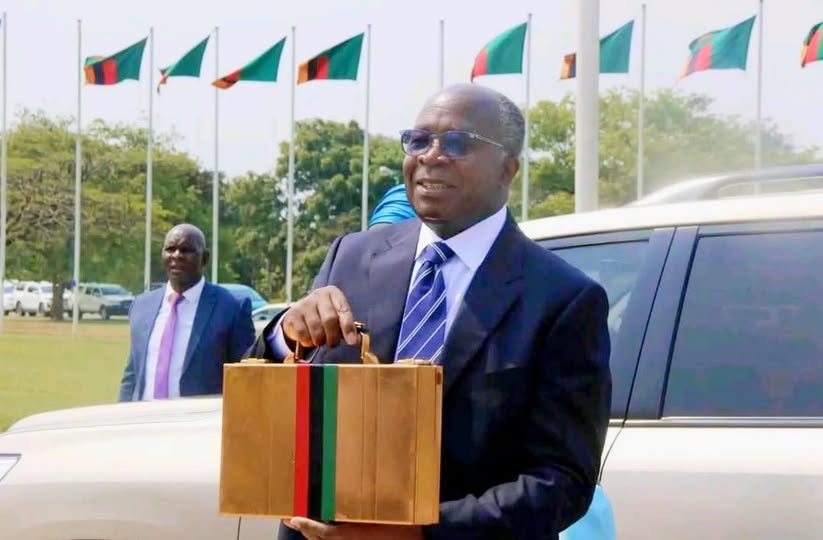
Situmbeko Musokotwane has returned at the helm. He has a new brief to go with President Hakainde Hichilema’s second term – the Grow Zambia Agenda.
This is the blueprint seeking to turn the country’s agricultural, mineral and energy potential into jobs, investment and improved livelihoods.
The targets are bold: three million tonnes of copper and 10 million tonnes of maize annually, electricity generation capacity of 10,000 megawatts and five million tourist arrivals by 2031.
But between ambition and achievement lies a critical question: how much will Government spend to grow the economy, and how effectively will that money translate into tangible results for Zambians?
The budget is expected to offer some answers, with agriculture, mining, energy, manufacturing and infrastructure likely to feature prominently as Government seeks to move from economic stabilisation towards faster, more inclusive growth.
The starting point is the 2026 budget, which allocated K253.1 billion, representing 27.4 percent of gross domestic product (GDP), under the theme ‘Consolidating economic and social gains towards a prosperous, resilient and equitable Zambia’.
Of this amount, K206.5 billion was expected from domestic revenue, K12.1 billion from grants and K34.5 billion from borrowing.
The largest allocation, K92.6 billion, went to general public services, reflecting substantial debt-related obligations, while economic affairs received K58.6 billion.
Education was allocated K33 billion, health K26.2 billion and social protection K15.7 billion.
These allocations reveal the competing demands facing Dr Musokotwane as he prepares the next spending plan: servicing debt, sustaining essential public services and finding resources to finance the country’s growth ambitions.
The 2026 budget also set a GDP growth target of 6.4 percent, aimed to return inflation to the Bank of Zambia’s 6-8 percent target range and maintained an ambition to increase maize production to 10 million tonnes by 2031. https://enews.daily-mail.co.zm/welcome/home